
Carbon Loop #017

A newsletter by the CCUSNA dedicated to highlighting the Australian carbon capture, utilisation and storage industry.
CCUSNA Hubs Workshop - 19 & 20 February
A quick plug to begin with.
On 19 and 20 February, the CCUSNA will host an invite-only, two-day workshop to consider the question: What are the opportunities and challenges associated with developing a multi-user CCUS hub in WA?
And in the lead up to the workshop in February the CCUSNA has been putting together a series of webinars to explore and set up the background to that central theme. I’ve been seriously impressed with some of the webinars that have been put on so far.
My understanding is that the workshop and the webinars are for CCUSNA Members only, but given the ludicrously low membership fees, if you have any interest in what it’s going to take to make a CCUS Industry happen in Australia, do yourself a favour and check them out.
Charts Don’t Lie ..
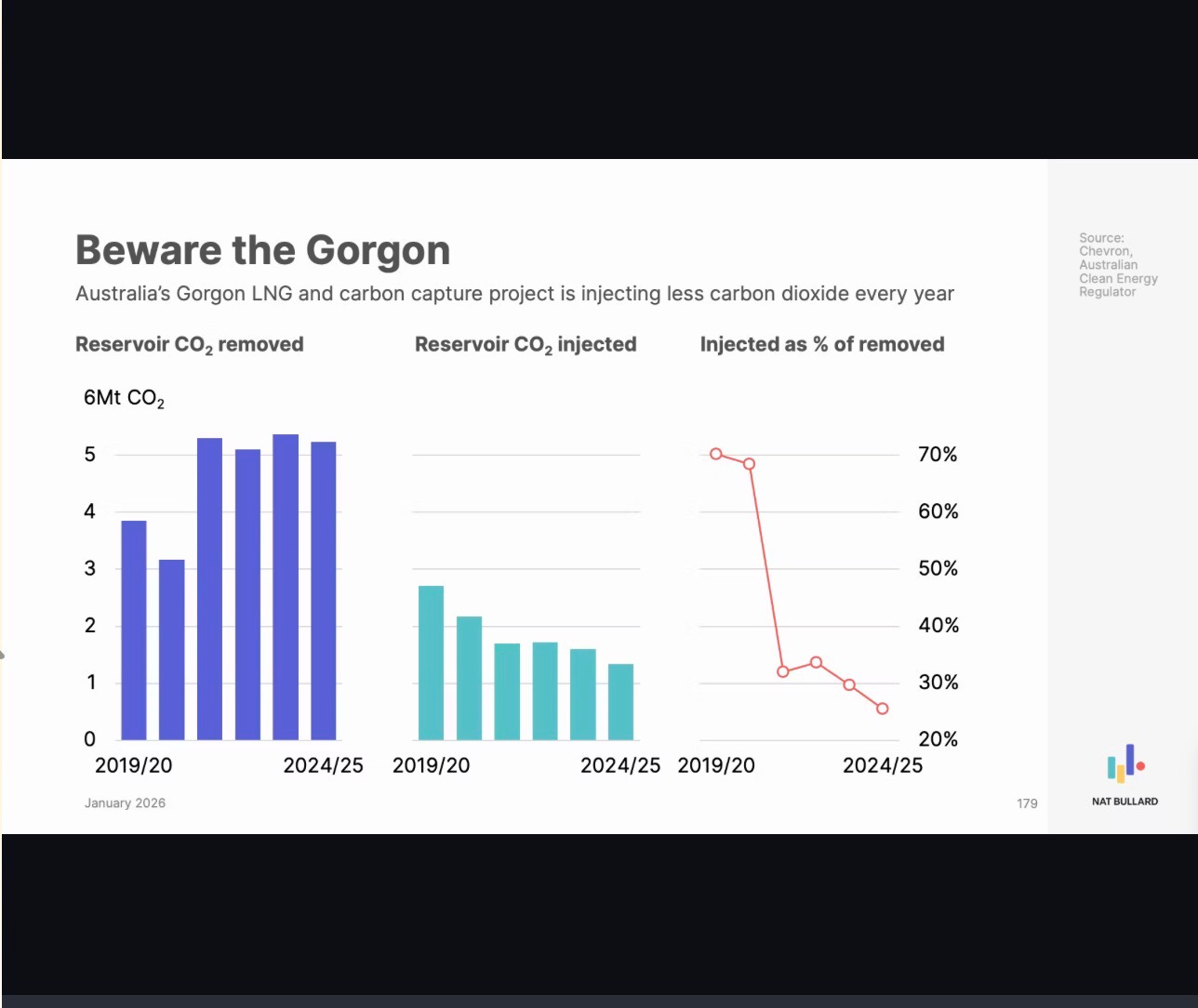
Climate commentator and incredibly smart guy, Nat Ballard has released his annual slide deck with an assortment of climate-related statistics. It’s not all CCUS related but it is all excellent. Again, well worth a flick through if you have any interest in climate topics.
Some snips below:
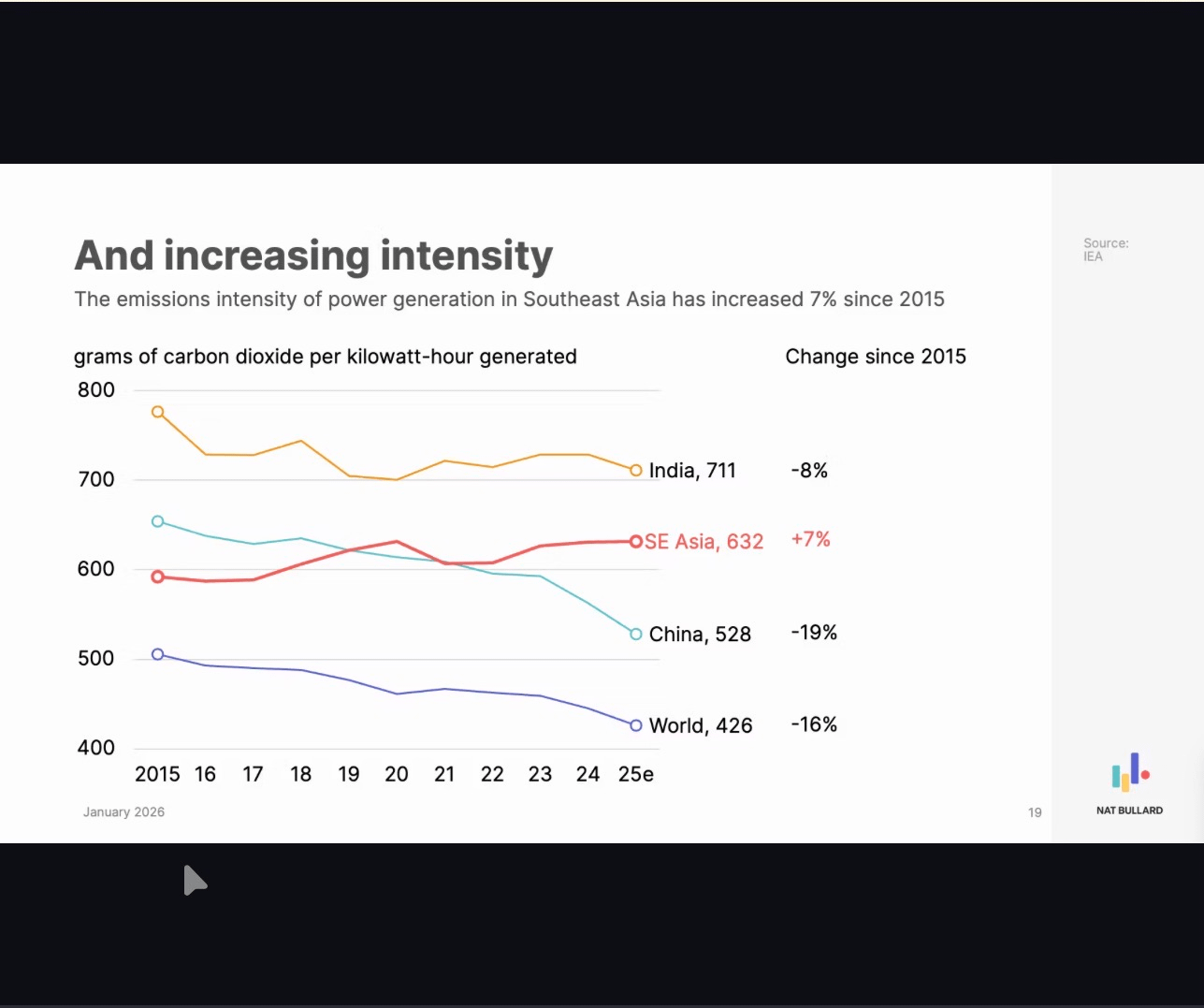
and..
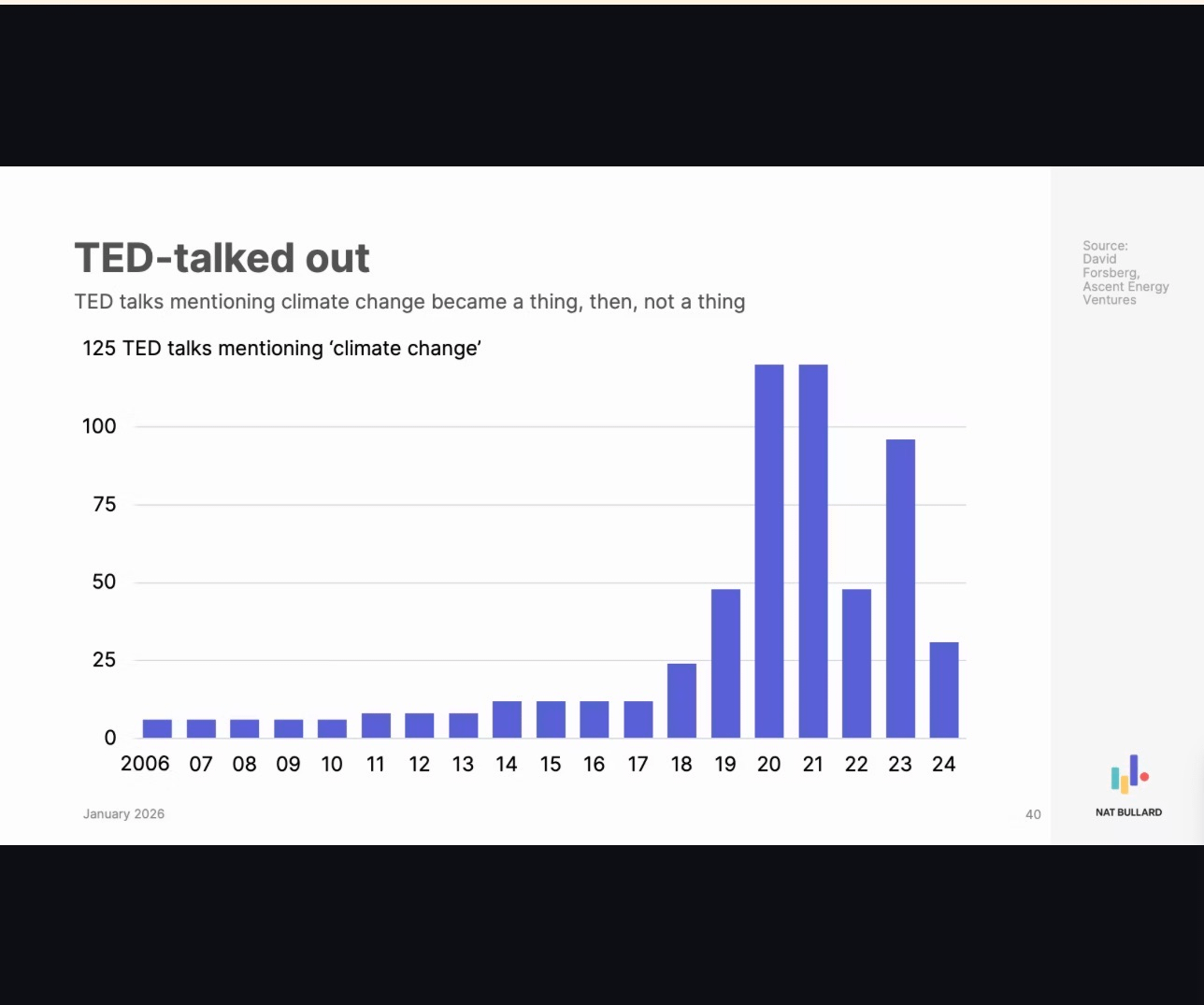
and..
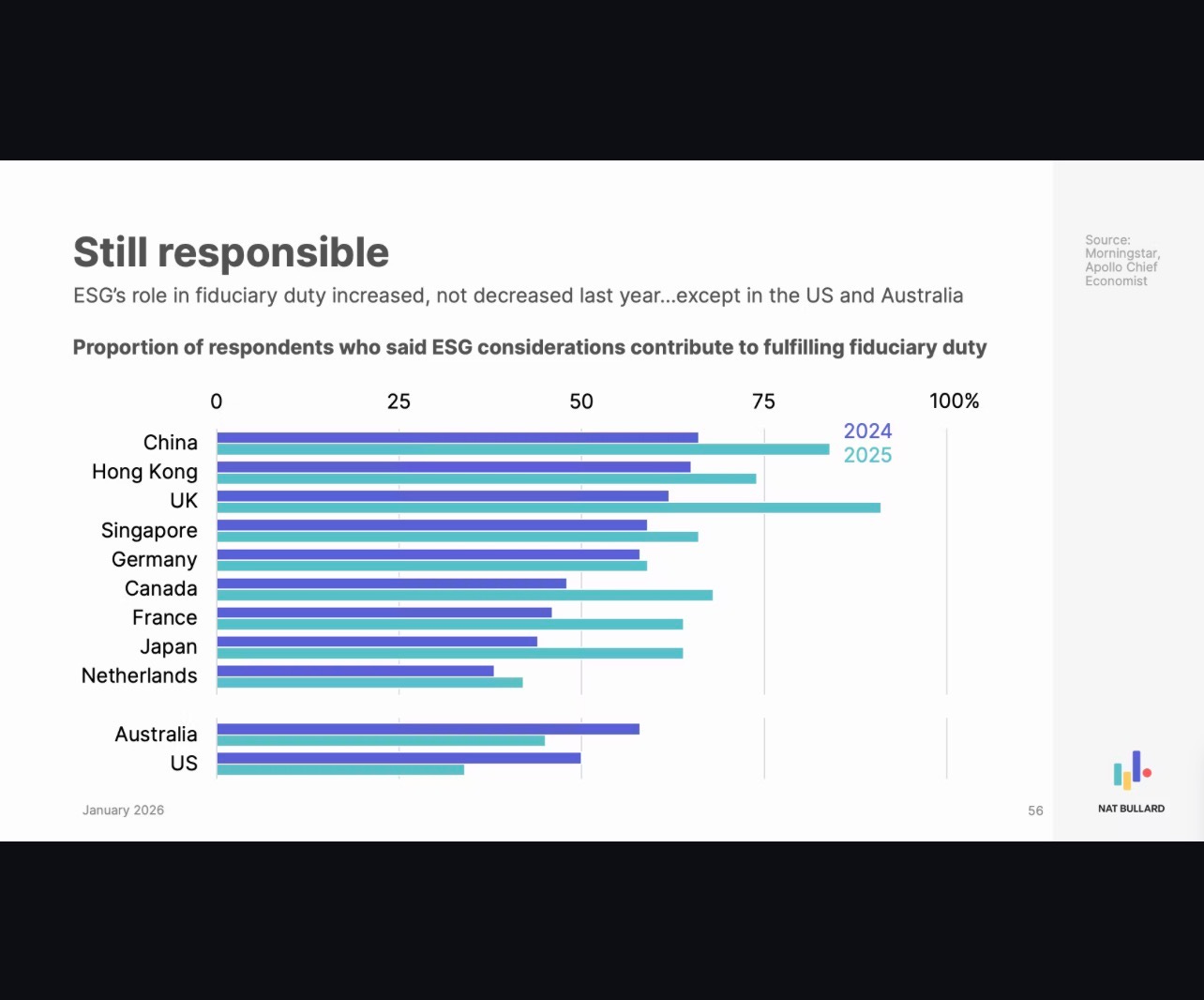
and ..
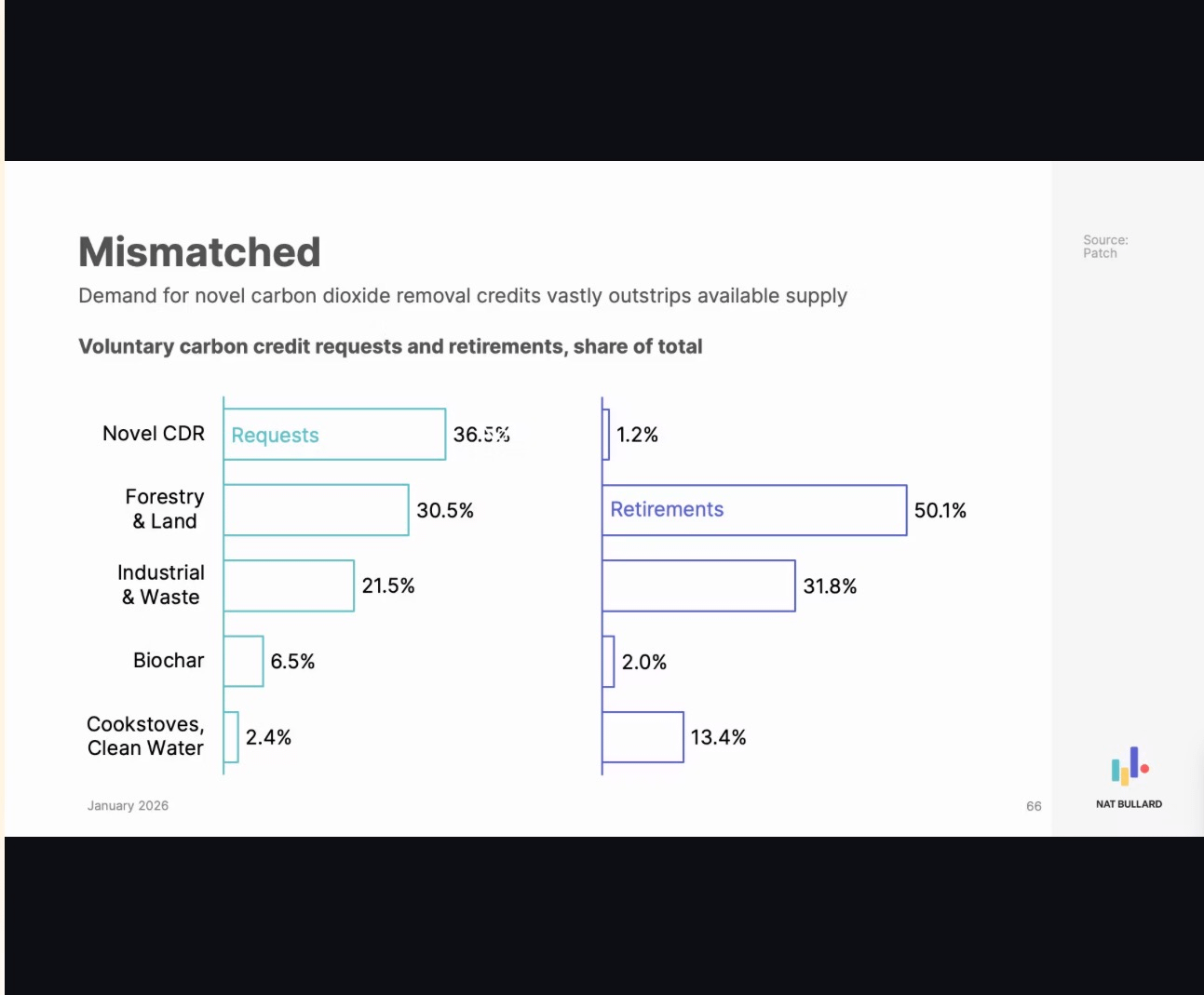
and ..
and ..
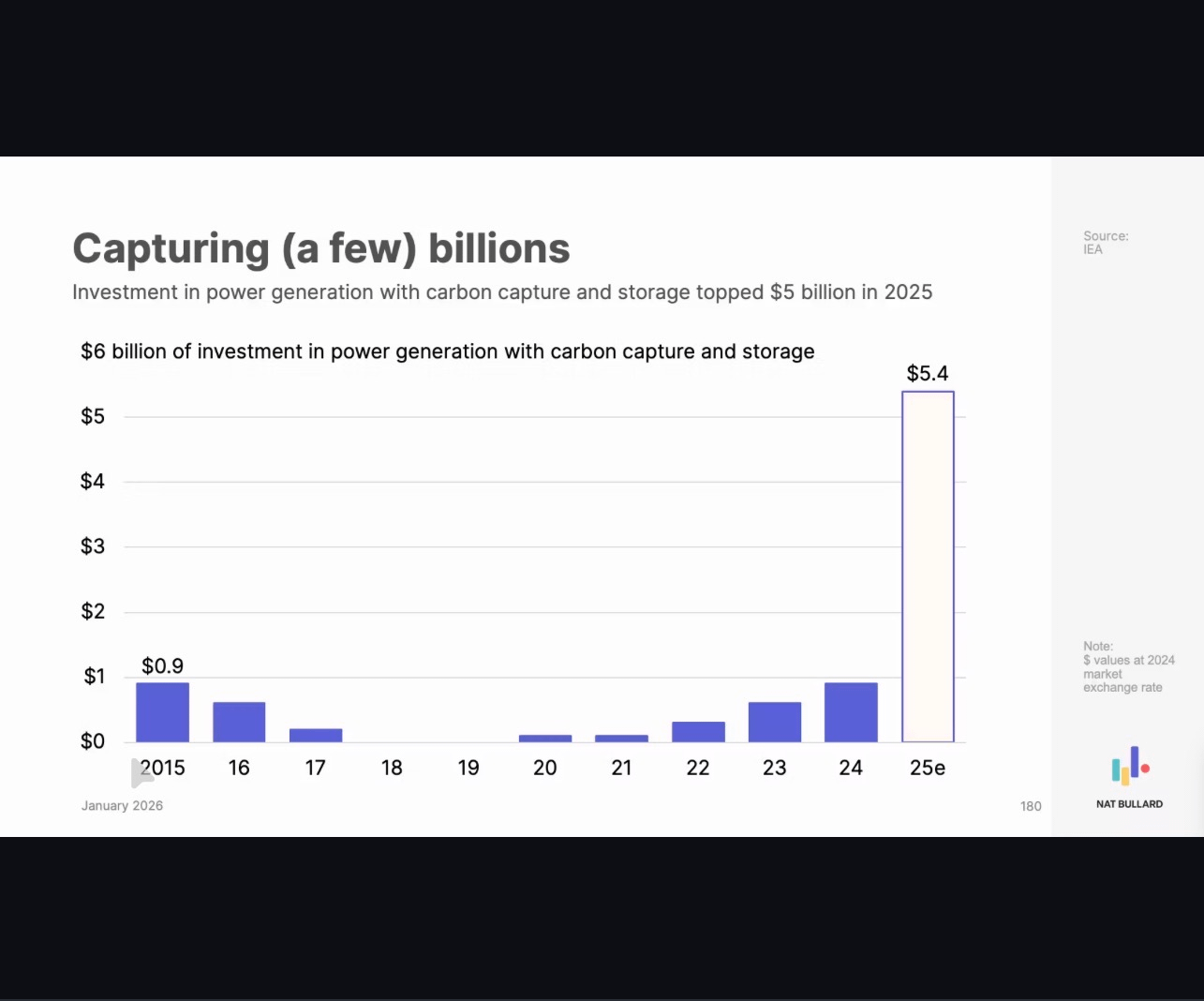
I have such a crush on this guy. He is so smart. I hope I can one day do half as good a job at communicating complicated climate topics as he does. We need more Nat Ballards in this discussion and less .. not.. Nat .. Ballards .. .. .. .. (I am a work in progress..)
Flick through the entire presentation at this link
🌏 Global CCUS momentum ..
🇦🇺 Australia & Asia-Pacific
📅 CCUSNA looks ahead to 2026 — CCUSNA has flagged an invitation-only industry gathering in February 2026, underscoring steady momentum and continued appetite for practitioner-level collaboration in the region. (Read more)
🏭 Gorgon CCS posts its lowest annual injection — New reporting shows Chevron’s Gorgon CCS project recorded its lowest CO₂ injection volume to date, reigniting debate around performance expectations, transparency, and what “success” should look like for large, first-of-a-kind projects. (Read more)
💰 WA Carbon Innovation Grants Program reopens — The Western Australian Government’s Carbon Innovation Grants Program continues to support early-stage CCS, CCU and industrial decarbonisation projects, with funding aimed at feasibility studies, pilot projects and novel deployment pathways across hard-to-abate sectors. (Read more)
🇪🇺 Europe
🏢 CBAM implications for fertilisers and ammonia — Discussion continues on how the EU’s Carbon Border Adjustment Mechanism may reshape global fertiliser and ammonia markets, particularly for exporters facing embedded emissions scrutiny. (Read more)
🏭 Heidelberg Materials’ transition story — Heidelberg Materials highlights how incumbent cement producers are integrating CCUS into broader transition strategies, reinforcing the role of capture and storage in hard-to-abate industrial sectors. (Read more)
🚢 Northern Lights advances CO₂ shipping and storage — Northern Lights continues to demonstrate operational progress on CO₂ transport by ship and offshore storage, strengthening Europe’s emerging cross-border CCS infrastructure model. (Read more)
⚓ CO₂ shipping as a system enabler — Further insight into Northern Lights’ CO₂ shipping approach highlights how maritime transport may unlock CCS for emitters without pipeline access. (Read more)
🏗️ Europe’s CCS rollout: slower than hoped — Analysis suggests Europe’s CCS deployment is progressing, but at a pace misaligned with industrial decarbonisation timelines — raising familiar questions around permitting, infrastructure coordination, and investment signals. (Read more)
🧱 Low-carbon steel, SAF and CCS intersect — Finland’s industrial decarbonisation efforts highlight the growing interdependence between CCS, low-carbon steel, and sustainable aviation fuel value chains. (Read more)
🧪 Europe leans harder into CCS — European industry commentary points to a noticeable shift from CCS as a “backstop” to CCS as a core decarbonisation pathway across multiple sectors. (Read more)
🌐 Global industry & tech ..
🇺🇸 Why the US is pulling ahead on carbon capture — A sharp take on how policy certainty, tax credits, and pragmatic framing have helped the US accelerate CCS deployment relative to other regions. (Read more)
🏗️ Carbon Capture, Fuel & Development (CCFD) momentum — Industry commentary highlights growing integration between CCS projects and broader energy and fuel development strategies. (Read more)
⚖️ The CCS debate isn’t going away — Ongoing debate underscores that CCS remains politically contested, even as deployment accelerates — particularly around permanence, scale, and public trust. (Read more)
📊 How much carbon do we actually need to capture? — A sober reminder that CCS scale requirements are vast, cumulative, and unavoidable if net-zero pathways are taken seriously. (Read more)
🧾 First verified carbon storage credit issued — A Hong Kong-based firm has issued what’s being described as the first verified carbon storage credit, raising important questions around standards, MRV, and market integrity. (Read more)
💶 Norway backs carbon-centric innovation — Carbon Centric has secured funding from Enova, reflecting continued Nordic support for CCS-adjacent technology development. (Read more)
🌱 Biochar as carbon infrastructure — Commentary explores biochar’s emerging role as part of long-term carbon infrastructure, rather than a niche offsetting tool. (Read more)
🧭 What’s next for CCUS? — A forward-looking take on where CCUS deployment, financing, and market structures may head next as early projects mature. (Read more)
🏛️ A new carbon capture and storage association — The launch of a new CCS-focused industry body points to continued institutionalisation of the sector globally. (Read more)
🔬 CCS, CCUS and carbon storage — still evolving — Reflections on how definitions, expectations, and delivery models for CCS continue to evolve as projects move from concept to operation. (Read more)
⚗️ Green methanol and CCS linkages — Green methanol discussions increasingly intersect with CCS, particularly where biogenic or fossil-derived CO₂ streams are involved. (Read more)
🔮 Looking forward to a CCS future — A reflective piece on how CCS is gradually shifting from controversial necessity to accepted infrastructure. (Read more)
Thanks for reading The Carbon Loop!
If you found this issue helpful, the best way to support the newsletter is by sharing it with friends or colleagues who might also be interested in the latest Australian CCUS insights.
Thanks again for subscribing!